
The Power and Cost of Mercy
Le Morte d'ArthurThis flow traces mercy as a repeated choice that can restore bonds, spare lives, and sometimes expose the merciful to further injury.
increasing Bearing strength in each event
 decreasing
Bearing strength in each eventdecreasingArthur’s Mercy to the Barons
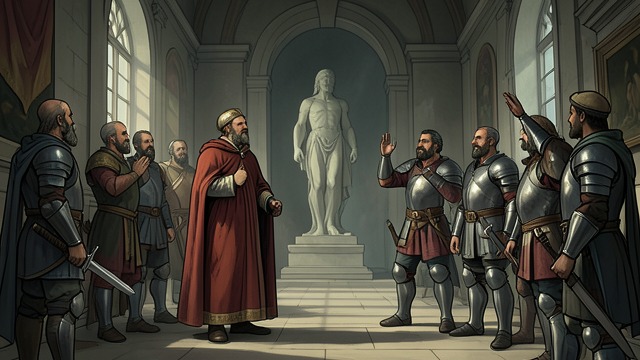
Forgiveness Secures the Realm
Acceptance after resistance
The barons who delayed Arthur’s recognition kneel and ask pardon. Arthur forgives them and proceeds to restore order.
Mercy builds allegiance
His response turns defeated resistance into a basis for service. The young king’s willingness to forgive becomes part of the authority he is still forming.
Balin Refuses the Sword
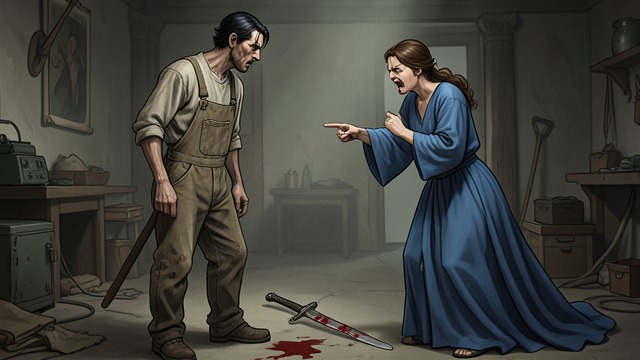
A Grievance Overrides Restraint
A past wrong is remembered
The Lady of the Lake demands that Balin be punished, but Arthur refuses to surrender him. Balin kills her anyway, prioritizing revenge over the king’s safe conduct.
Mercy and responsibility clash
Arthur condemns the act even though Balin’s anger has a history. The episode shows why private judgment cannot simply replace public law.
Gareth Spares the Red Knight
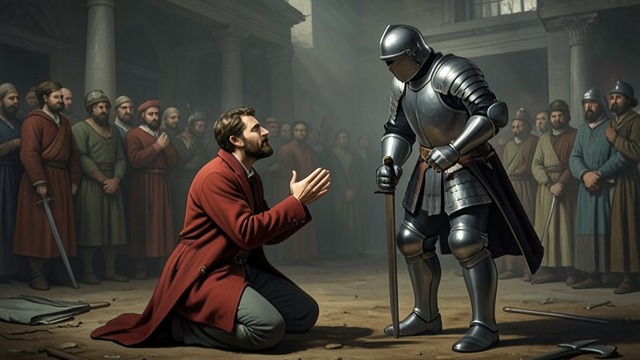
Mercy Follows Victory
A defeated knight asks pardon
The Red Knight begs for his life after Gareth overcomes him. Gareth could kill him, but hears the circumstances behind the knight’s cruelty.
A conditional release
Gareth requires him to make amends and submit to Arthur. Mercy becomes a means of restoring social order, rather than a denial that harm occurred.
Launcelot Spares Meliagrance
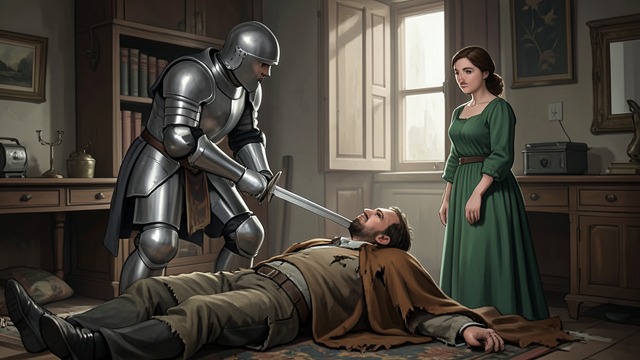
A Captor Is Given Another Chance
A violent offense is answered
Launcelot defeats Meliagrance after the knight abducts Guenever and accuses her of treason. He could kill the queen’s enemy outright.
Mercy is chosen
Launcelot instead lets Meliagrance live and expects him to answer to Arthur. The choice reflects restraint, though it does not prevent later accusations and violence.
Arthur’s Mercy at the End
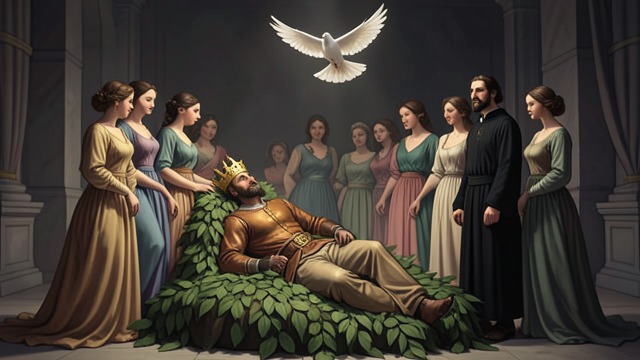
Compassion in a Broken Realm
A final request
Arthur tells Sir Bedivere to dispose of Excalibur and accepts that his own life is ending. The scene is shaped by sorrow rather than vengeance.
A departure without certainty
The queens carry Arthur away, and Bedivere is left to mourn. Mercy cannot undo the war, but the king’s final acts preserve a degree of dignity amid loss.
After the sword has established his right to rule
At Arthur’s court, after Balin draws the enchanted sword
After their long battle at Liones’ siege
After Launcelot defeats Meliagrance in the queen’s cause
After Arthur’s last battle with Mordred
